
Every product that leaves a warehouse depends on one thing
to arrive safely — the right packing materials. Whether you run an e-commerce
store, a manufacturing unit, or a logistics company, choosing the correct
packaging boxes and protective materials can be the difference between a happy
customer and a damaged-goods refund. In this guide, we break down the most
important materials shaping today's packaging industry and how to pick the
right one for your product.
Why Packing Materials Matter More Than Ever
The packaging industry has evolved far beyond simply
"wrapping a product." Today, it's about protecting brand reputation,
reducing transit damage, and meeting growing customer expectations around
sustainability. As e-commerce and export volumes grow across India, businesses
are under constant pressure to reduce breakage, cut costs, and adopt eco
friendly packaging — all without compromising on protection.
Let's look at the core materials every business should
understand.
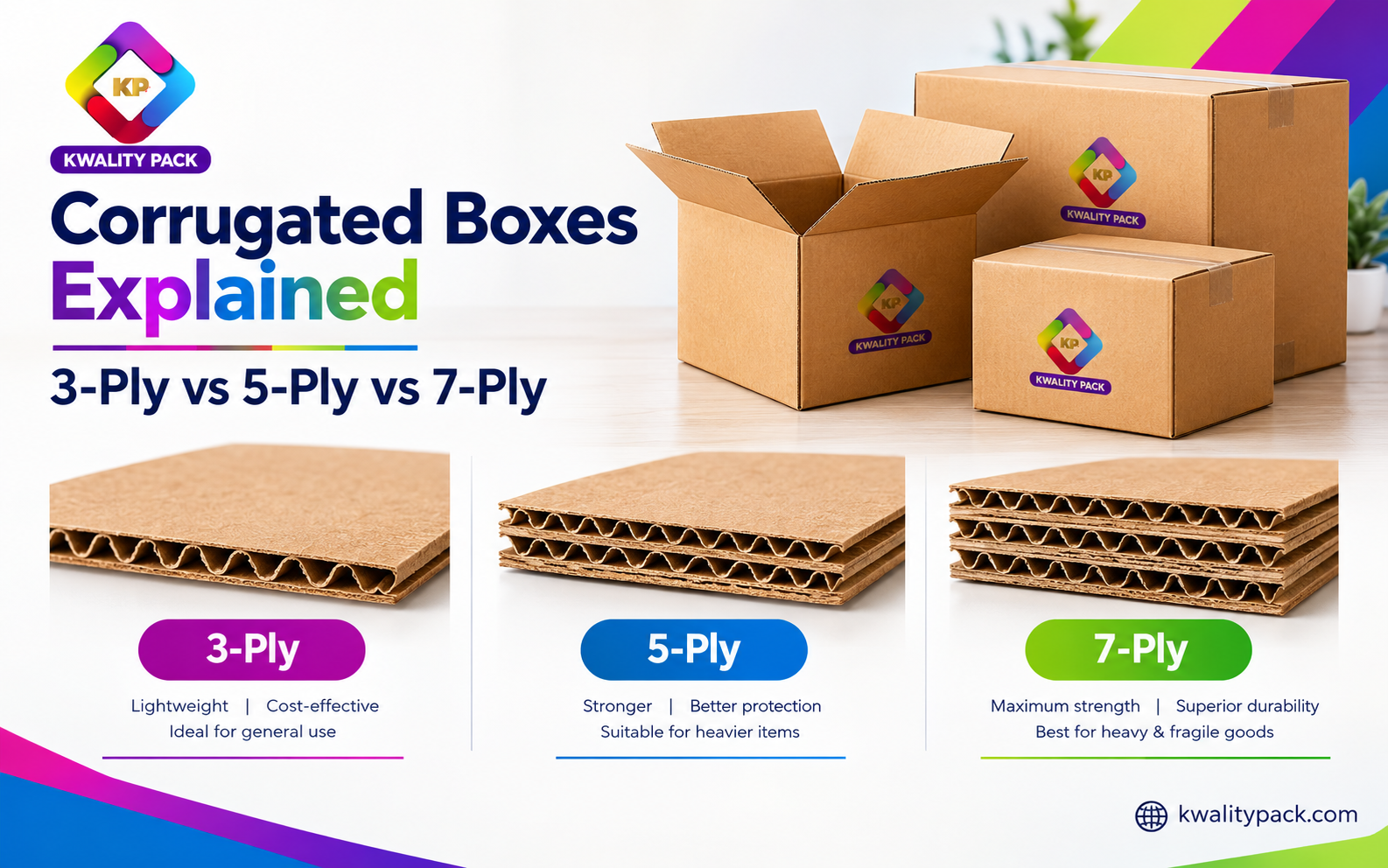
1. Packaging Boxes: The Foundation of Every Shipment
Packaging boxes remain the backbone of the packaging
industry. Corrugated boxes offer stacking strength and cushioning for
everything from electronics to furniture. The right box isn't just about size —
wall thickness, flute type, and load capacity all determine whether your
product survives handling, stacking, and long-distance transport.
2. Bubble Wrap and Air Bubble Rolls: Cushioning That
Works
Few materials are as universally recognized as bubble wrap.
Air bubble rolls are made from polyethylene and provide excellent shock
absorption, surface protection, and impact resistance. They're ideal for
wrapping fragile items like glassware, electronics, and machinery parts before
boxing, forming a protective air cushion between the product and the outer
carton.
3. Air Bubble Pouches: Ready-to-Use Protection
For businesses that need speed and convenience, air bubble
pouches are a game-changer. These pre-formed pouches eliminate the need to cut
and tape bubble wrap manually, making them perfect for packing electronics,
medical equipment, and delicate glass items quickly and consistently —
especially in high-volume dispatch environments.
4. Air Bubble Columns: Void Fill That Prevents Movement
Air bubble columns are designed specifically to fill empty
spaces inside boxes, preventing products from shifting during transit. Unlike
flat bubble wrap, these vertical bubble columns absorb impact from multiple
directions, making them especially effective for irregularly shaped or heavy
items that need extra stability inside larger cartons.
5. EPE Foam: Lightweight Cushioning for Sensitive
Products
EPE foam (Expanded Polyethylene) is a favorite across the
packaging industry for its combination of light weight, moisture resistance,
and superior shock absorption. It's commonly used to protect sensitive
electronics, appliances, and precision instruments where even minor vibration
during transport could cause damage.
6. Stretch Film: Securing Pallets for Logistics and
Export
When it comes to bulk shipments, stretch film is essential.
High-cling stretch film wraps around palletized loads to keep them stable,
tear-resistant, and protected from dust and moisture during warehousing and
transportation. It's a cost-effective way to secure multiple boxes into one
unit load for export or long-haul logistics.
7. Drain Cell Mat: Beyond Traditional Packaging
Drain cell mats are increasingly used in specialized
applications like green roofing, landscaping, and drainage systems. While not a
traditional cushioning material, they represent how the packaging and materials
industry is expanding into adjacent sectors that require durable,
moisture-managing solutions.
8. Tissue Paper and Toilet Paper: Everyday Essentials in
Packaging and Beyond
Not all packing materials are about industrial protection —
tissue paper is widely used for interleaving, wrapping delicate retail items,
and adding a premium unboxing feel to gift and apparel packaging. Toilet paper,
while a separate consumer product category, is often sourced and distributed
through the same supply chains that handle bulk paper and hygiene products,
making it a relevant category for paper product manufacturers and traders.
9. Eco Friendly Packaging: The Future of the Industry
Sustainability is no longer optional. Businesses across the
packaging industry are shifting toward eco friendly packaging — recyclable
boxes, biodegradable fillers, and reduced-plastic alternatives — to meet both
regulatory requirements and customer expectations. Choosing suppliers who offer
sustainable options in bubble wrap, foam, and paper-based materials is quickly
becoming a competitive advantage rather than just a compliance checkbox.
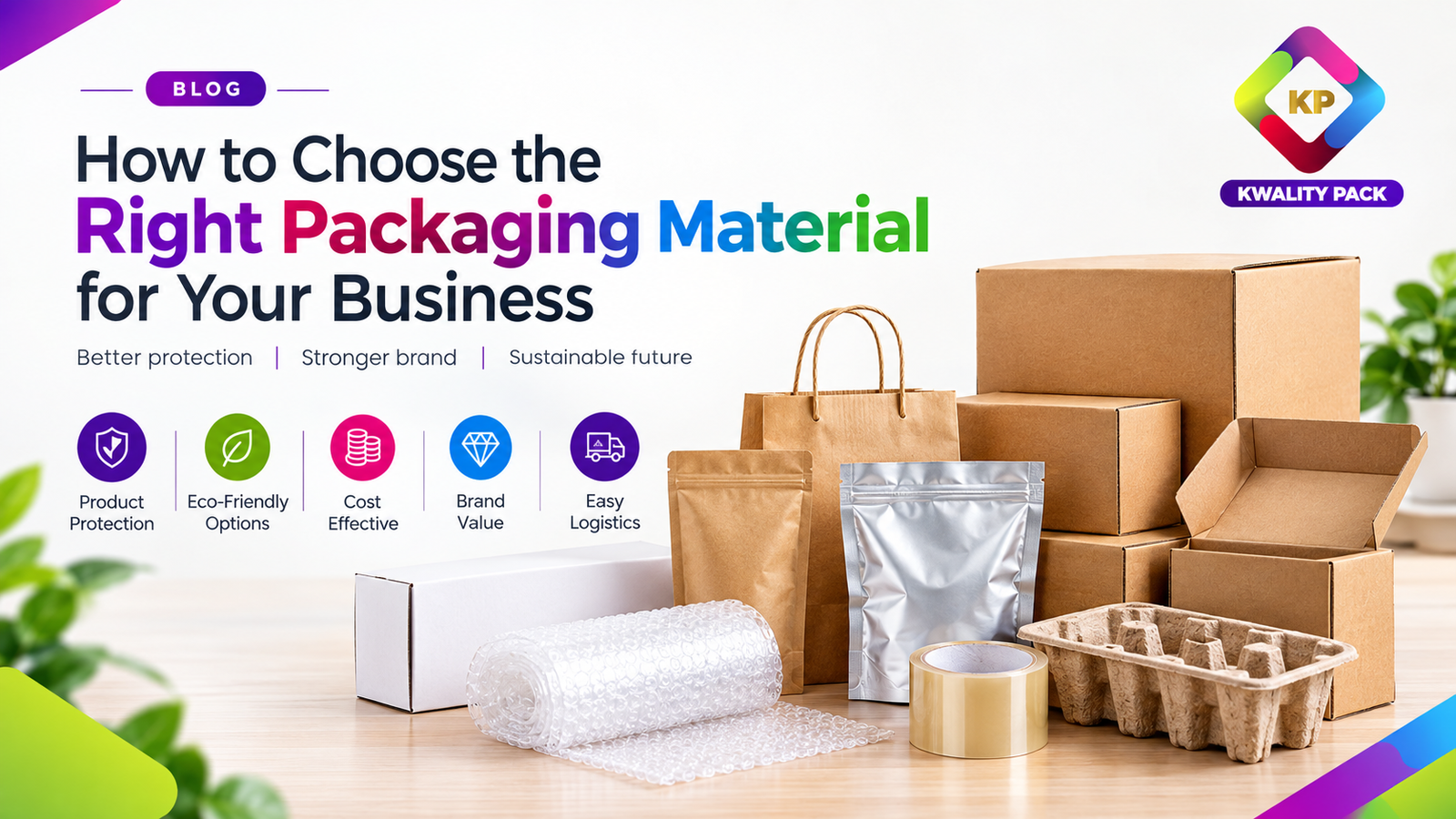
How to Choose the Right Packing Material for Your
Business
- Fragile
or delicate items: Air bubble pouches, EPE foam, or air bubble rolls - Bulk
pallet shipments: Stretch film for load stability - Void
fill inside boxes: Air bubble columns - Retail
and gifting: Tissue paper for a premium finish - Sustainability-focused
brands: Eco friendly packaging alternatives across all categories