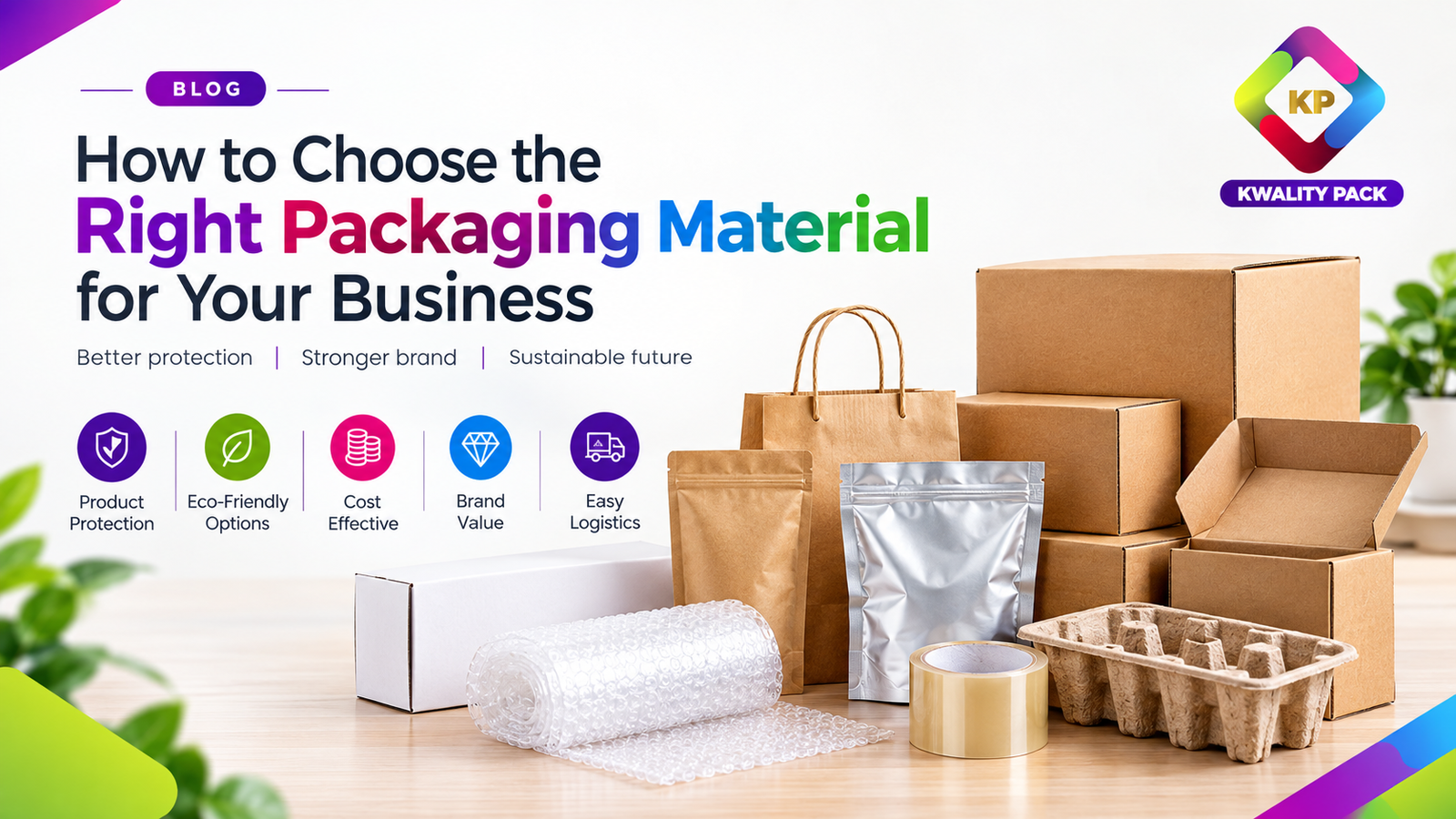
Packaging plays an important role in protecting products, improving customer experience, and building brand identity. Whether a business sells products online, supplies goods to retailers, or distributes items in bulk, choosing the right packaging material can help reduce damage, control costs, and improve operational efficiency.
Understand Your Product Requirements
The first step in selecting packaging is understanding the product being packed. Fragile items may require cushioning and strong outer packaging, while lightweight products may need simpler solutions. Food products, cosmetics, electronics, and industrial goods each have different packaging requirements. Consider the product's weight, dimensions, sensitivity, and storage conditions before making a decision.
Consider Product Protection
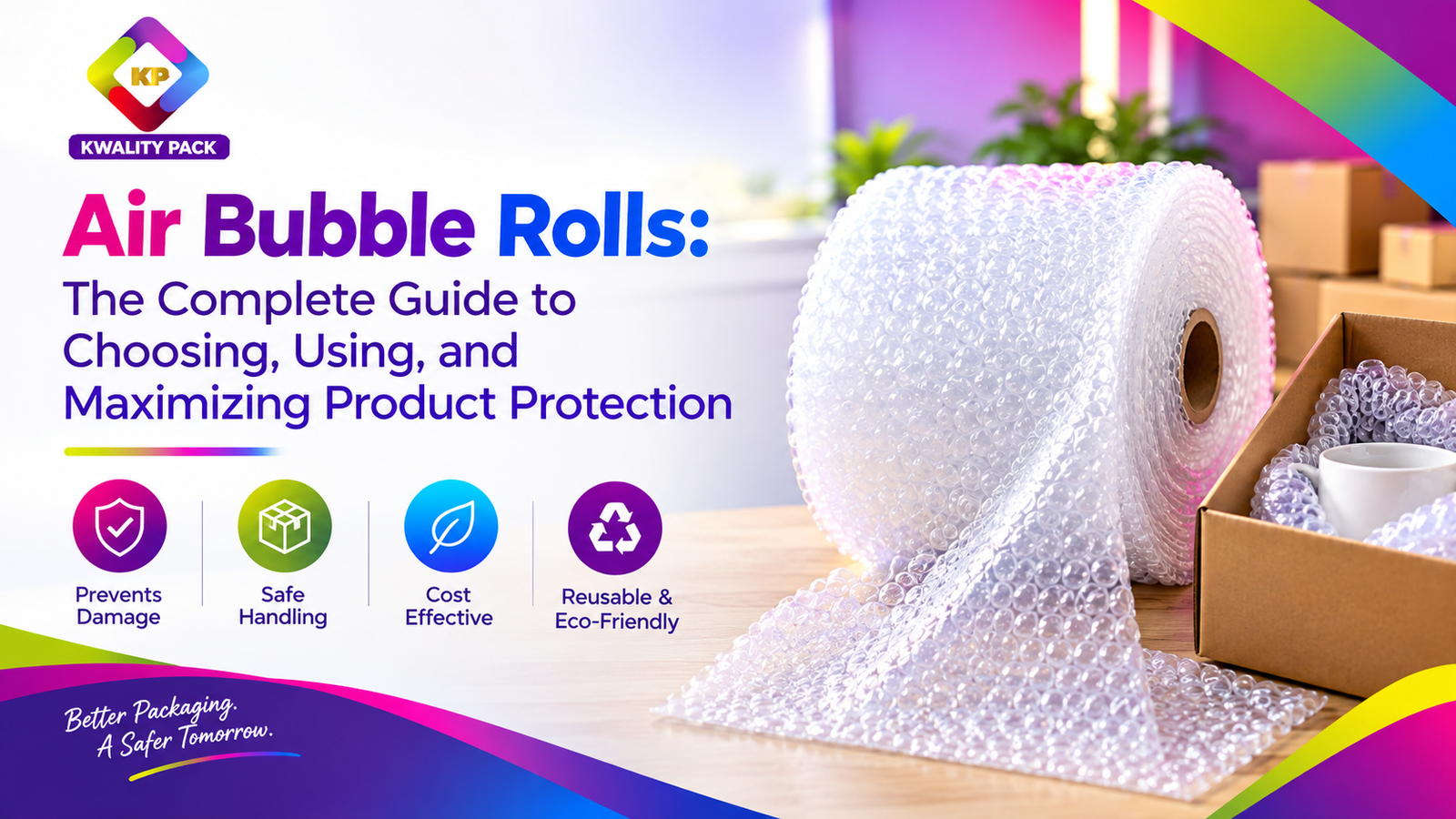
Packaging should protect products during storage, handling, and transportation. Exposure to moisture, dust, pressure, and impact can damage goods if the packaging is unsuitable. Businesses should evaluate the strength, durability, and protective properties of different materials to find an option that meets their needs.
For products shipped over long distances, packaging should also withstand repeated handling and movement during transit.
Balance Quality and Cost
Choosing the cheapest packaging option may not always deliver the best value. Weak packaging can lead to damaged products, customer complaints, returns, and additional replacement costs. On the other hand, excessive packaging can increase material expenses and shipping weight.
Businesses should compare material costs with durability, product protection, and storage efficiency to make informed purchasing decisions.
Explore Sustainable Packaging Options
Sustainability is becoming an important consideration for modern businesses. Depending on the product and application, recyclable, reusable, or responsibly sourced packaging materials may help reduce environmental impact. Businesses should assess whether the selected material can be recycled locally and whether it meets the product's safety and protection requirements.
Improve Branding Through Packaging
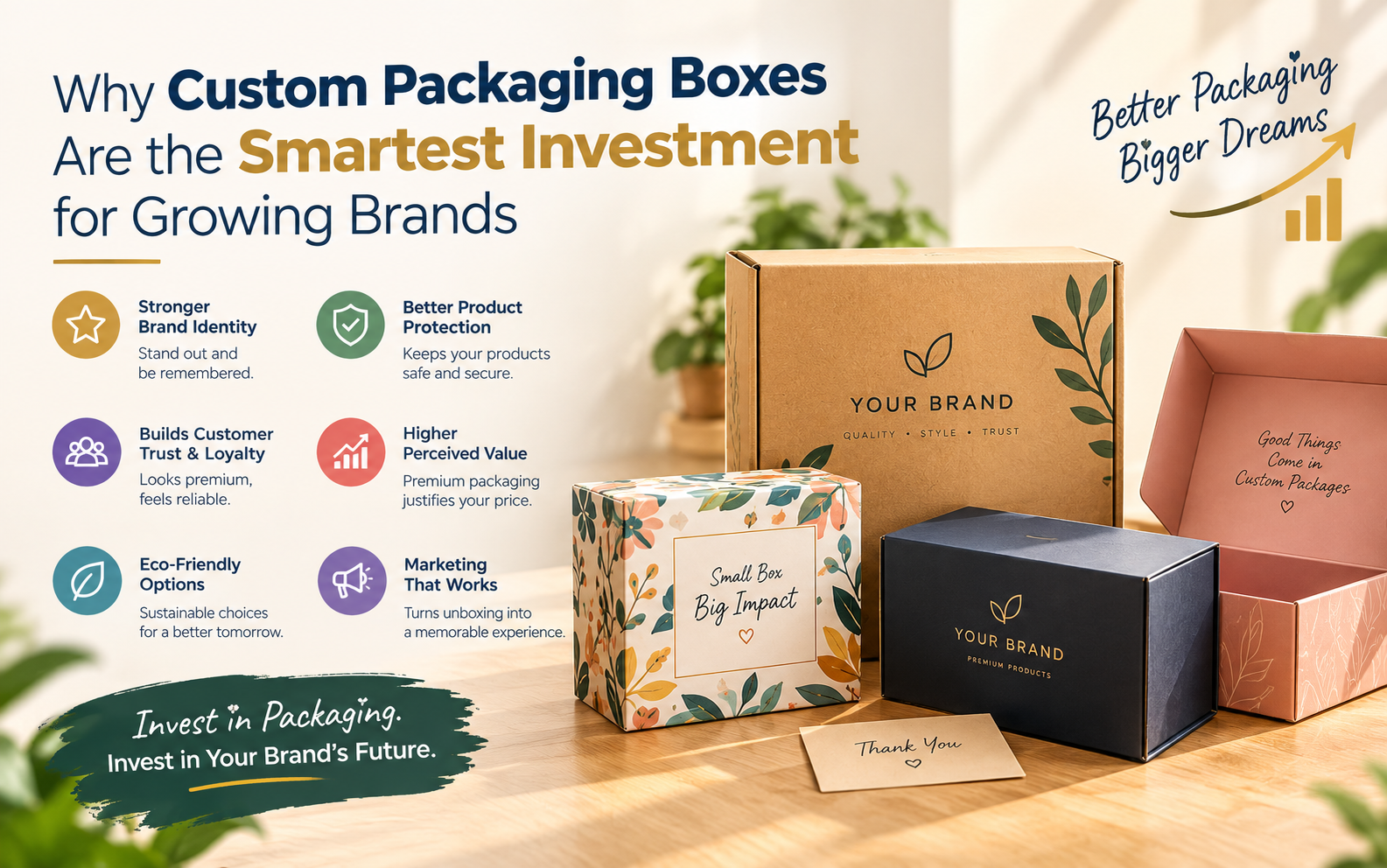
Packaging is often one of the first physical interactions customers have with a product. Well-designed packaging can communicate professionalism, display brand information, and create a consistent customer experience. Clear labelling and appropriate presentation can also make products easier to identify and handle.
Conclusion
Selecting suitable packaging requires a balance of product protection, affordability, durability, and sustainability. By evaluating these factors, businesses can make better packaging decisions and improve their supply chain efficiency. Explore the packaging solutions available from Kwality Pack to identify options that align with your business requirements.
Blog 2: The Importance of Sustainable Packaging in Modern Business
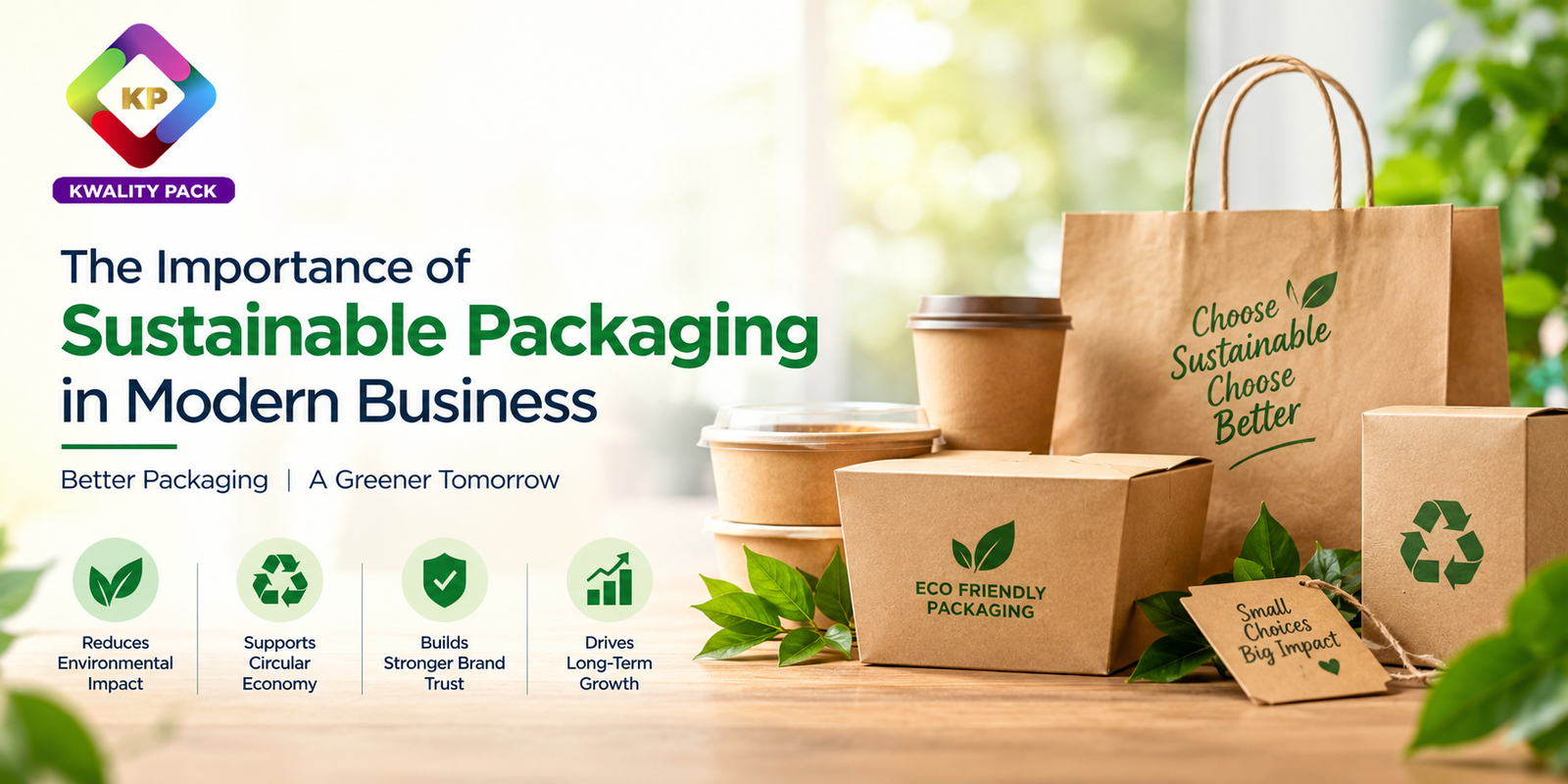
Sustainability has become an important consideration for businesses across industries. As companies look for ways to manage waste and use resources responsibly, packaging decisions are receiving greater attention. Sustainable packaging can help businesses reduce unnecessary material use while meeting product protection, transportation, and customer expectations.
What Is Sustainable Packaging?
Sustainable packaging refers to packaging designed to reduce environmental impact throughout its life cycle. Depending on the application, it may include recyclable materials, reusable containers, recycled content, or packaging made from responsibly sourced resources.
The most suitable choice depends on the product, its shelf life, transportation requirements, and the availability of appropriate recycling or recovery systems.
Reduce Unnecessary Packaging
One practical step towards sustainability is using the right amount of packaging. Oversized boxes, excessive wrapping, and unnecessary fillers can increase material consumption and shipping volume.
Businesses can review product dimensions and packaging designs to eliminate avoidable waste without compromising protection. Right-sized packaging may also help improve warehouse storage and transportation efficiency.
Consider Recyclability and Reuse
Packaging materials that can be recycled through available local systems may help support better resource management. Reusable packaging can also be beneficial in suitable applications, particularly where containers can be collected, cleaned, and used repeatedly.
However, recyclability should not be assumed simply because a material looks environmentally friendly. Businesses should check material composition, recycling availability, and any coatings or mixed materials that could affect disposal.
Protect Products Efficiently
Sustainable packaging must still perform its primary function: protecting products. Damaged goods can create additional waste through returns, replacements, and discarded products. Choosing packaging with appropriate strength and cushioning can help prevent such losses.
Businesses should test packaging under realistic handling and transportation conditions before adopting a new solution on a large scale.
Communicate Sustainability Clearly
Customers increasingly pay attention to how companies approach environmental responsibility. Businesses can explain their packaging choices through accurate product information and clear disposal instructions. Environmental claims should be specific, transparent, and supported by evidence rather than vague promises.
Conclusion
Sustainable packaging is an opportunity for businesses to combine product protection with more responsible material use. By reducing unnecessary packaging, evaluating recyclable options, and selecting suitable designs, companies can make meaningful improvements to their packaging practices. Kwality Pack can be considered when exploring packaging solutions that balance practical business requirements with sustainability goals.